For decades, the answer was simple. You packed up in November, pointed the car south, and ended up in Florida. The routine was so reliable it barely required a decision. That era is over — and the shift is happening faster than anyone expected.
According to a December 2025 survey by Snowbird Advisor, only about 70% of Canadian snowbirds plan to spend this winter in the United States — down from 82% the year prior. The number choosing non-U.S. destinations has nearly doubled in a single year.
This isn’t a temporary blip. It’s a structural shift. And for Canadians who still want warm winters, the question is no longer whether to look elsewhere — it’s where.
Why Florida Stopped Making Sense (Even Before the Politics)
Yes, the political climate matters. Tariff threats, annexation rhetoric, aggressive border enforcement, and the requirement that Canadians staying more than 30 days register with U.S. immigration authorities have combined to make many Canadians deeply uncomfortable about crossing the border.
But the honest truth is that Florida had been quietly losing its value proposition well before any of this started.
The currency hit: The Canadian dollar has been weak for years. Florida costs 30–40% more than a decade ago. It’s a math problem.
Insurance: After major hurricanes, insurance costs have soared. Without separate flood coverage, many Canadians face real, uninsured exposure.
The selling problem: Over 500,000 Canadians own $60B in Florida property. They are selling into a market with 2026 price declines projected up to 10.2% in Cape Coral.
Where Are They Actually Going?
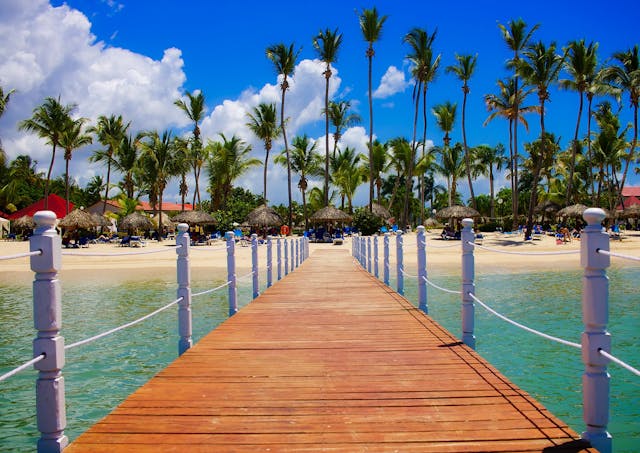
The number of Canadian snowbirds choosing international destinations has nearly doubled in one year. Here’s where they’re landing — and what each destination offers.
🇲🇽 Mexico — The Most Familiar Alternative
Mexico has long been the number one non-U.S. snowbird destination for Canadians, and 2025 accelerated that trend dramatically. Since 2020, the number of Canadians buying property in Mexico has quadrupled — much of it concentrated in Puerto Vallarta, the Riviera Maya, and communities along the Pacific coast.
The appeal is intuitive. Direct flights from virtually every major Canadian city. An established expat infrastructure. Warm weather from November through April. And cost of living that compares very favourably to Florida once currency is factored in — a couple can live comfortably in Puerto Vallarta on $1,600–$2,650 USD per month, including rent, utilities, food, and healthcare.
Real estate entry points are accessible too. Condos within walking distance of the beach in Puerto Vallarta start around $120,000 USD. In the Riviera Maya, entry-level condos with ocean views begin around $125,000.
Best for: Snowbirds wanting the familiar resort-town experience — beaches, restaurants, English-speaking communities — at better value than Florida.
One thing to watch: Mexico has its own security considerations that vary significantly by location. Puerto Vallarta, the Riviera Maya, and the Yucatán Peninsula are well-established snowbird corridors with decades of Canadian presence. Doing your location research before buying — not just your property research — is essential.
🇩🇴 Dominican Republic — The Best-Value Caribbean Play
The DR is where the real opportunity sits for snowbirds who want to own, not just rent — and want their property to work for them when they’re back in Canada.
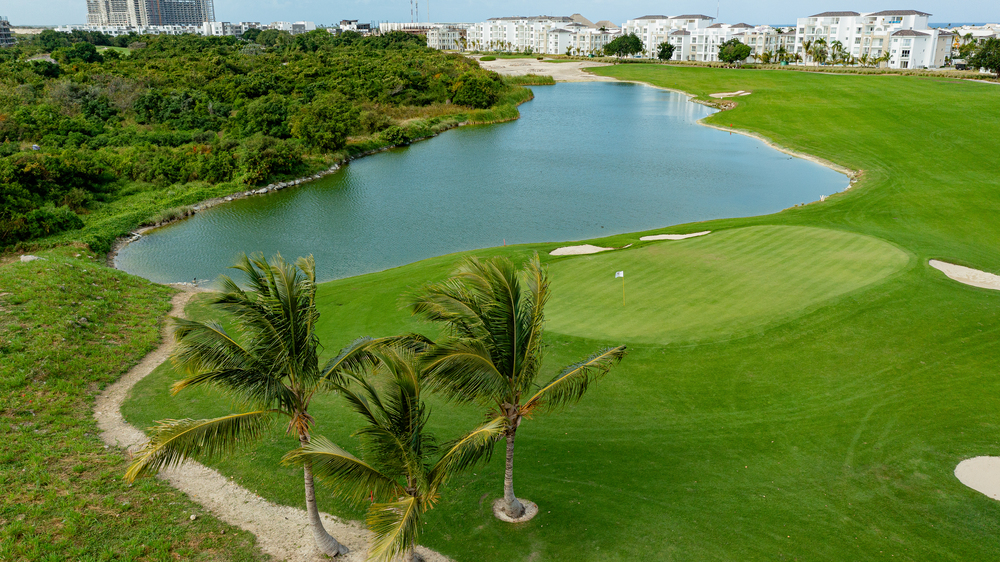
The cost-of-living case is compelling. A comfortable lifestyle in the DR — including some luxuries — is achievable on around $1,355 USD per month for a single person. A retired couple covering rent, utilities, groceries, healthcare, and entertainment typically lands in the $2,000–$3,000 USD range monthly, depending on location and lifestyle. In Punta Cana and along the North Coast, this covers a genuinely comfortable Caribbean life with access to beaches, golf, dining, and a growing international expat community.
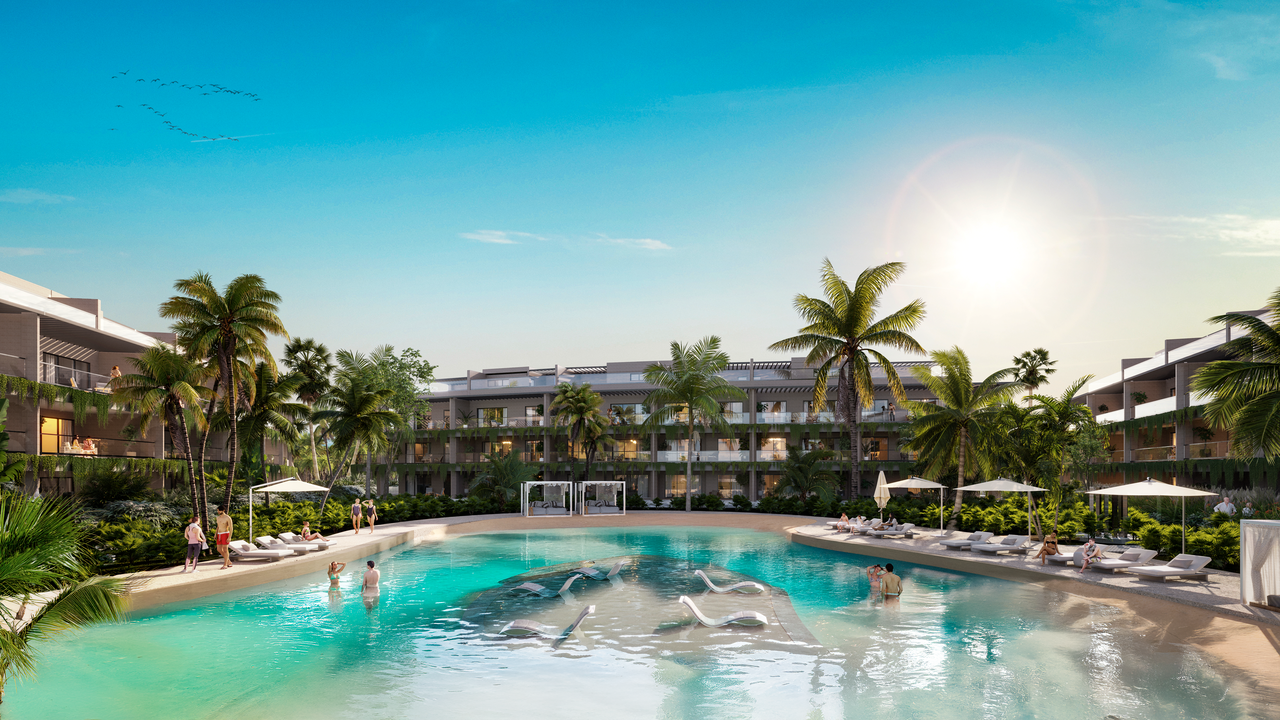
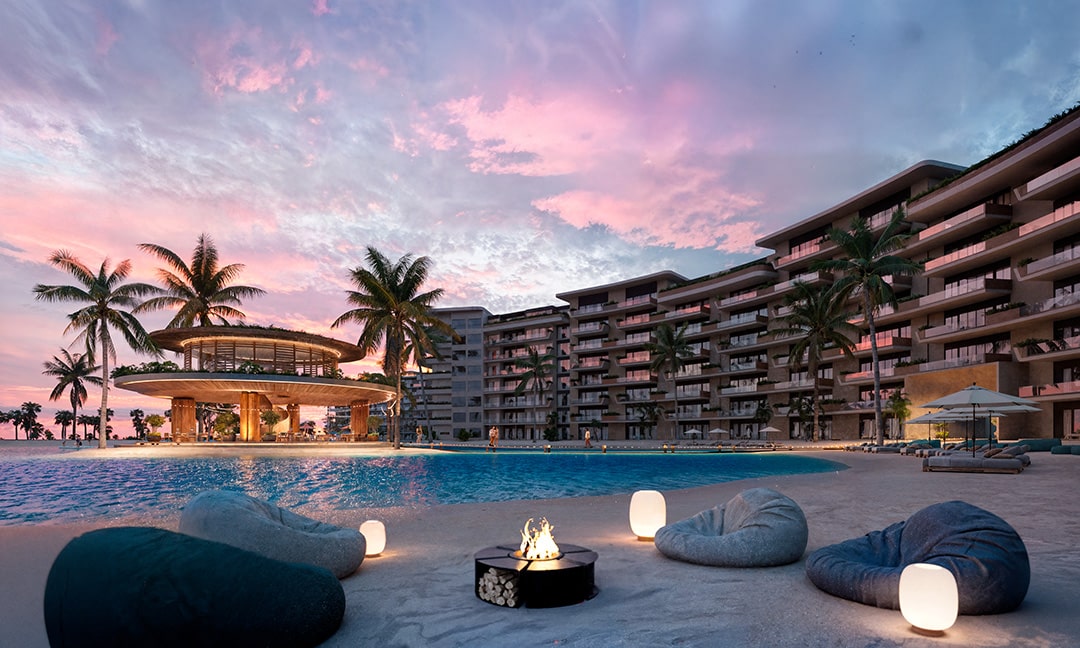
The real estate picture is even more interesting. Properties start well below six figures, and the rental income potential is real: a $150,000 Punta Cana condo can generate $1,500–$2,500 USD per month in short-term rental revenue during the months you’re not there. A $250,000 property in Puerto Plata can generate $2,000–$2,500 per month gross. For snowbirds who spend four to five months a year in residence, that remaining rental income can cover a significant portion of ownership costs — a dynamic that Florida condos simply cannot replicate.
The legal framework is also clean for foreign buyers. Canadians can own property outright with full title, there are no foreign ownership restrictions, and property taxes are low — typically under $500 USD per year for most residential properties. The Pensionado residency program provides a straightforward path to formal residency for those who qualify.
Best for: Snowbirds who want to own rather than rent, want a property that generates income in their absence, and want Caribbean weather at a cost that actually makes sense.
🇵🇦 Panama — The Retirement-Focused Option
Panama offers something none of the other markets can: a dollarized economy, which eliminates currency risk entirely for USD-holding investors. Combined with the country’s Pensionado visa — which requires proof of just $1,000 USD per month in pension or retirement income — it’s one of the most accessible formal residency programs in the world.
Panama City is a genuine urban centre with modern hospitals, first-world infrastructure, and a cost of living that’s higher than the DR or smaller Mexican towns but still well below comparable Canadian or Florida options. Beyond the capital, mountain towns like Boquete offer a cooler, quieter lifestyle that many retirees prefer.
The trade-off is that Panama is more of a permanent-lifestyle play than a seasonal one. The infrastructure and residency benefits reward those planning to spend significant time there, and the real estate market is oriented more toward long-term value than short-term rental income.
Best for: Future retirees planning to spend 6+ months a year abroad, or those actively pursuing formal residency and long-term lifestyle relocation.
🇬🇷 Greece — The Europe Option
For snowbirds drawn to history, cuisine, and the Mediterranean rather than the Caribbean, Greece offers something distinct. The Greek islands and coastal mainland provide warm winters, extraordinary quality of life, and real estate that remains undervalued by Western European and North American standards.
Greece is less of a rental-income play and more of a lifestyle and appreciation story. For buyers motivated by culture, architecture, and the European experience, it’s worth serious consideration — and it’s a market that remains largely underdiscovered by Canadian buyers.
Best for: Buyers motivated primarily by lifestyle, culture, and long-term appreciation rather than short-term rental returns.
Side-by-Side: How the Top Snowbird Destinations Compare
Numbers matter, but context matters more. Here’s how the three primary markets stack up across the factors that actually drive a snowbird decision.
| Feature | 🇩🇴 Dominican Republic | 🇲🇽 Mexico (Riviera Maya/PV) | 🇵🇦 Panama |
|---|---|---|---|
| Entry price (condo) | From ~$100,000 USD | From ~$125,000 USD | From ~$170,000 USD |
| Monthly Cost (Couple) | $2,000–$3,000 USD | $1,600–$2,650 USD | $2,500–$3,500 USD |
| Gross rental yield | 7–8%+ (Punta Cana) | 6.5–8% (Riviera Maya) | 6.8–7.8% (Panama City) |
| Short-term rentals | Minimal restrictions | Generally permitted | Restricted in Panama City |
| Currency risk | Low (USD-pegged) | Moderate (MXN fluctuates) | None (Fully dollarized) |
| Foreign ownership | 100% — Full Title | Yes, via Fideicomiso | 100% — Local rights |
| Residency program | Law 171-07 ($1,500/mo) | Temp/Perm Visas | Pensionado ($1,000/mo) |
| Property tax | Low — often <$500/yr | Low (vacation use) | Exemptions available |
| Best for | Income + Seasonal | Lifestyle + Community | Retirement Planning |
A few things this table doesn’t capture: many tourism-zone properties in the DR are approved under CONFOTUR (Law 158-01), which can provide buyers with meaningful tax advantages — including exemption from the 3% property transfer tax and the annual property tax (IPI) for up to 15 years.
Two important caveats: the exemption clock starts when the project received CONFOTUR approval, not when you purchase — and benefits generally don’t apply to resale units. Always confirm the remaining exemption period with an independent Dominican lawyer before signing.
Panama’s territorial tax system means foreign-sourced income isn’t taxed at all, which matters for retirees drawing Canadian pension income. And Mexico’s fideicomiso trust, while unfamiliar to most Canadians, is a well-established, legally sound structure that has protected foreign buyers for decades.
Renting vs. Owning: The Question Every Snowbird Asks
Most snowbirds moving away from Florida face a version of the same decision: do I rent for a season first, or do I buy?
The case for renting first is obvious — you get to know a market, a community, and your own preferences before committing capital. In the DR and Mexico especially, renting for one season before buying is a reasonable way to confirm the fit.
The case for buying sooner is compelling right now for a specific reason: the snowbird migration away from Florida is creating a wave of demand in these markets that hasn’t fully priced in yet. The Canadians buying in Punta Cana and Puerto Vallarta today are not competing with the volume of buyers that will exist in three to five years as this shift matures.
The Market Timing Perspective
Selling into a declining Florida market and redeploying into a DR or Mexico property means selling high-relative-to-future in one market and buying low-relative-to-future in another. It’s a classic “buy low, sell high” play that is hard to act on in real-time—but historically rewards those who do.
The practical questions — what does buying actually involve as a Canadian? What happens to my property when I’m back in Canada? How do I vet a developer? — all have clear answers.
We’ve covered the legal essentials for buying pre-construction abroad here, and the reality of managing a foreign property remotely is more straightforward than most people expect.
Frequently Asked Questions
Can Canadians legally own property in the Dominican Republic, Mexico, and Panama?
Yes, in all three. The DR offers the most straightforward path with full freehold title. In Mexico, coastal properties are held through a fideicomiso (bank trust), a secure structure used for decades. Panama grants foreigners the same property rights as locals with full title ownership.
How long can a Canadian stay in each of these countries?
The DR allows 30 days (extendable to 60). Mexico allows up to 180 days on a tourist permit (FMM). Panama allows 90 days, extendable once. Notably, none of these currently require the 30-day immigration registration introduced by the U.S. in 2025.
Do Canadians pay taxes on foreign property?
Yes. You owe local taxes abroad, but you also have CRA obligations. Properties costing over $100,000 CAD must be reported on Form T1135, and all rental income must be declared in Canada. Professional cross-border accounting advice is essential.
Is it safe to buy pre-construction property abroad?
It can be with due diligence: verify the developer’s track record, ensure title clarity, check if deposits are held in escrow, and always use independent legal representation (not the developer’s lawyer).
What happens to my property when I’m back in Canada?
Most resort-area properties offer on-site rental management. For a percentage of revenue, they handle bookings, cleaning, and maintenance. You simply block off your personal dates and receive income statements remotely.
Can buying property abroad lead to residency?
Often, yes. Panama’s Pensionado visa is income-based ($1,000 USD/mo), while the DR’s Law 171-07 targets those with passive income of $1,500 USD/mo. Property ownership significantly strengthens these applications.
Should I sell my Florida property before buying abroad?
With Florida markets like Cape Coral projected to decline in 2026, selling sooner into a functioning market is often strategic. Whether you redeploy that capital immediately depends on your specific goals for income and diversification.
The Snowbird Playbook Is Being Rewritten
The patterns that held for 40 years — pack up in November, drive to Florida, come back in April — are coming apart. Not because snowbirds are staying home, but because the world got bigger. Mexico, the Dominican Republic, Panama, and Greece all offer what Florida used to: warm winters, welcoming communities, accessible real estate, and a lifestyle that works.
The difference is that today’s alternatives often offer better fundamentals than the Florida playbook ever did. Better value. Better rental income potential. More flexibility. Less exposure to weather risk, insurance risk, and currency risk.
The Canadians getting ahead of this aren’t waiting to see where the market settles. They’re locking in before it does.
Interested in exploring ownership in the Dominican Republic?